

Understanding Somato-Visceral and Viscero-Somatic Reflexes in Chiropractic Practice

Chiropractic care often focuses on the spine and musculoskeletal system, but the connections between the body’s organs and the nervous system play a crucial role in overall health. Somato-visceral and viscero-somatic reflexes represent important pathways where the body’s muscles and organs influence each other. Understanding these reflexes helps chiropractors provide more effective care by addressing not only structural issues but also the complex interactions between the spine and internal organs.
What Are Somato-Visceral and Viscero-Somatic Reflexes?
Somato-visceral reflexes occur when stimulation of the musculoskeletal system affects the function of internal organs. For example, irritation or dysfunction in spinal joints or muscles can influence the activity of organs such as the stomach, lungs, or heart. This happens because nerves from the spine connect to both muscles and organs, allowing signals to travel between them.
Viscero-somatic reflexes work in the opposite direction. When an internal organ is irritated or diseased, it can cause changes in the muscles or joints of the spine or body surface. For instance, a problem in the liver might cause muscle tightness or tenderness in a specific area of the back. These reflexes create a feedback loop where organ health and musculoskeletal health are closely linked.
Why These Reflexes Matter in Chiropractic Care
Chiropractors traditionally focus on spinal alignment and joint function to relieve pain and improve mobility. However, the presence of somato-visceral and viscero-somatic reflexes means that organ dysfunction can contribute to musculoskeletal symptoms, and vice versa. Recognizing these reflexes allows chiropractors to:
Identify underlying causes of pain that may not be purely mechanical
Understand referred pain patterns that mimic musculoskeletal problems
Support overall health by improving nervous system function and organ communication
For example, a patient with chronic low back pain might actually have a kidney issue causing viscero-somatic reflexes that increase muscle tension in the lumbar region. Treating only the back without addressing the kidney problem may provide limited relief.
Examples of Reflex Patterns in Practice
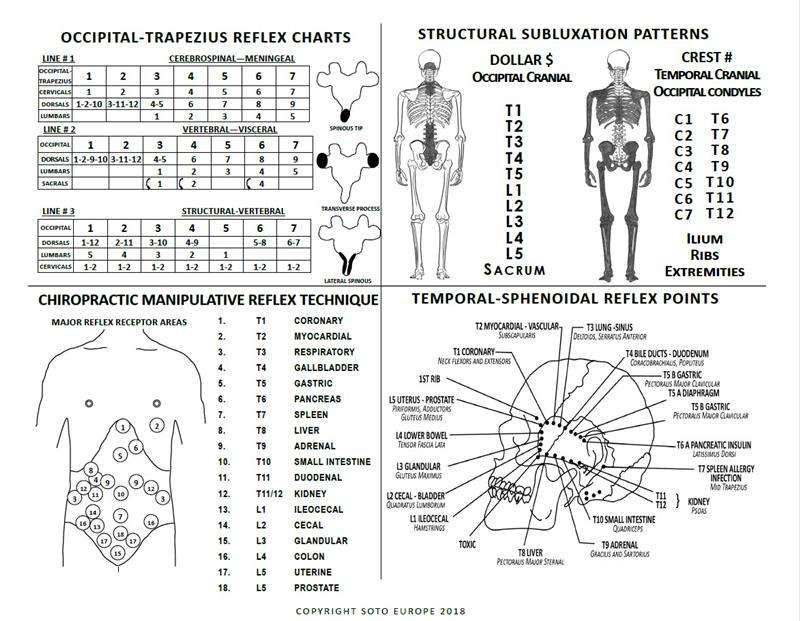
Steiner’s 1995 study on the British Chiropractic profession highlights several common reflex patterns relevant to clinical care:
Heart and upper thoracic spine: Heart irritation can cause muscle tightness and tenderness in the upper back and shoulder area.
Liver and right lower thoracic spine: Liver problems may lead to muscle stiffness or pain around the right lower ribs and back.
Stomach and mid-thoracic spine: Gastric issues often reflect as discomfort or muscle guarding in the mid-back region.
Kidneys and lumbar spine: Kidney irritation can cause low back muscle spasms or tenderness.
These patterns help chiropractors pinpoint possible visceral involvement when patients present with musculoskeletal complaints. Palpation of spinal segments and muscles can reveal areas of increased tension or sensitivity that correspond to organ dysfunction.
How Chiropractors Can Use This Knowledge
Incorporating somato-visceral and viscero-somatic reflexes into assessment and treatment involves several practical steps:
Detailed patient history: Ask about symptoms that might indicate organ issues, such as digestive problems, chest discomfort, or urinary changes.
Physical examination: Look for muscle tension, tenderness, or restricted motion in spinal areas linked to specific organs.
Referral when needed: If signs suggest serious organ dysfunction, refer patients to appropriate medical specialists.
Targeted chiropractic adjustments: Focus on spinal segments showing reflex activity to reduce nerve irritation and improve communication between the spine and organs.
Adjunct therapies: Use soft tissue techniques, mobilization, or lifestyle advice to support organ health and reduce reflex-driven muscle tension.
By addressing both the musculoskeletal and visceral components, chiropractors can help patients experience better pain relief and improved function.
The Role of Nervous System in Reflexes
The nervous system acts as the communication highway between the body’s organs and muscles. Somato-visceral and viscero-somatic reflexes rely on shared nerve pathways, especially through the autonomic nervous system and spinal nerves. When an organ is irritated, sensory nerves send signals to the spinal cord, which then triggers motor nerves to cause muscle contraction or pain in related spinal segments.
This neural connection explains why organ problems often present as musculoskeletal symptoms and why spinal dysfunction can affect organ function. Chiropractic care aims to restore normal nerve function by correcting spinal misalignments and reducing nerve irritation.
Challenges and Considerations
While understanding these reflexes adds depth to chiropractic care, it also requires careful clinical judgment:
Not all musculoskeletal pain is related to visceral issues, so avoid over-attributing symptoms.
Reflex patterns can vary between individuals, so use them as guides rather than strict rules.
Always consider the whole patient, including lifestyle, medical history, and other factors.
Maintain collaboration with medical professionals for comprehensive care.

Summary
Somato-visceral and viscero-somatic reflexes reveal the complex relationship between the spine, muscles, and internal organs. Recognizing these reflexes helps chiropractors identify hidden causes of pain and dysfunction, leading to more effective treatment plans. By combining spinal adjustments with a broader understanding of nervous system connections, chiropractic care can support both musculoskeletal health and overall well-being.
Patients experiencing persistent or unexplained pain may benefit from an evaluation that considers these reflexes. If you are a chiropractor or someone interested in holistic health, exploring these reflex pathways can enhance your approach to care and improve patient outcomes.
Steiner C, "Significance of somato-visceral and viscero-somatic reflexes in the British Chiropractic profession", AECC Project List 1995


Comments