

Understanding Adolescent Idiopathic Scoliosis Causes and Chiropractic Treatment Approaches

Adolescent idiopathic scoliosis (AIS) affects many young people worldwide, yet its exact cause remains unclear. This condition involves an abnormal curvature of the spine that develops during adolescence without a known reason. Understanding the possible causes and exploring treatment options, including chiropractic care, can help families and healthcare providers manage AIS more effectively.
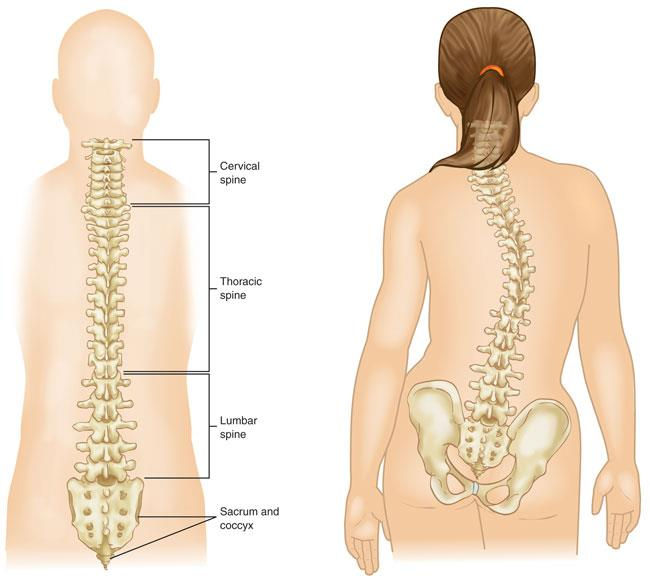
What Is Adolescent Idiopathic Scoliosis?
Adolescent idiopathic scoliosis is a spinal deformity that appears in children aged 10 to 18. The term "idiopathic" means the cause is unknown. The spine curves sideways, often forming an “S” or “C” shape, which can lead to uneven shoulders, hips, or waist. While mild cases may only require monitoring, severe curves can affect lung function and cause discomfort.
AIS is the most common type of scoliosis, accounting for about 80% of cases in adolescents. It is more prevalent in girls than boys and tends to progress during growth spurts.
Theories on the Causes of AIS
Despite extensive research, no single cause explains AIS. Instead, several theories suggest a combination of factors may contribute to its development:
Genetic Factors
Family history plays a role in AIS. Studies show that children with relatives who have scoliosis are more likely to develop the condition. Researchers have identified certain genes that may increase susceptibility, but no definitive genetic marker exists yet.
Neuromuscular Factors
Some experts believe that AIS may result from subtle neuromuscular imbalances. These could affect how muscles support the spine, leading to abnormal curvature. For example, uneven muscle strength or coordination might cause the spine to twist or bend over time.
Hormonal Influences
Hormones involved in growth and development may influence scoliosis. Melatonin, a hormone regulating sleep and circadian rhythms, has been studied for its potential role. Some research suggests that low melatonin levels could affect spinal growth and stability.
Biomechanical and Postural Factors
Poor posture or asymmetrical loading of the spine during growth could contribute to AIS. For instance, uneven weight distribution or repetitive movements might stress one side of the spine more than the other, encouraging curvature.
Environmental and Lifestyle Factors
While less studied, environmental factors such as nutrition, physical activity, and overall health might influence scoliosis progression. However, no clear link has been established.
How Chiropractic Care Supports AIS Management
Chiropractic care offers a non-invasive approach to managing AIS symptoms and improving spinal function. While it does not cure scoliosis, chiropractic treatment can complement other medical interventions by focusing on spinal alignment, muscle balance, and overall mobility.
Spinal Adjustments
Chiropractors use gentle spinal adjustments to improve joint mobility and reduce stiffness. These adjustments aim to restore better alignment and function, potentially slowing curve progression and relieving discomfort.
Postural Correction
Chiropractic care often includes exercises and advice to improve posture. Strengthening weak muscles and stretching tight ones can help balance the forces acting on the spine, supporting better alignment.
Soft Tissue Therapy
Techniques such as massage or myofascial release may be used to relax tight muscles and reduce pain. This can improve comfort and make it easier for patients to engage in corrective exercises.
Monitoring and Collaboration
Chiropractors typically work alongside medical doctors and physical therapists to monitor scoliosis progression. Regular assessments help tailor treatment plans and ensure comprehensive care.
Practical Examples of Chiropractic Management
Consider a 14-year-old girl diagnosed with mild AIS. Her chiropractor might begin with a detailed assessment, including posture analysis and spinal mobility tests. Treatment could involve:
Gentle spinal adjustments twice a week for six weeks
Customized exercises to strengthen core muscles and improve posture
Soft tissue therapy to ease muscle tension
Education on ergonomic habits and activity modifications
Over time, the chiropractor tracks changes in spinal curvature and symptoms. If the curve remains stable or improves, the patient continues with maintenance care. If the curve worsens, referral to an orthopedic specialist may be necessary.
What Families Should Know About AIS and Chiropractic Care
Families facing an AIS diagnosis should understand that scoliosis varies widely in severity and progression. Early detection and regular monitoring are key to effective management. Chiropractic care can be a valuable part of a multidisciplinary approach, especially for those seeking non-surgical options.
It is important to consult healthcare professionals experienced in scoliosis to develop a personalized treatment plan. Chiropractic care should complement, not replace, medical advice or interventions such as bracing or surgery when indicated.
Final Thoughts on AIS and Chiropractic Treatment
Adolescent idiopathic scoliosis remains a complex condition with no single known cause. Research points to a mix of genetic, neuromuscular, hormonal, and biomechanical factors. Chiropractic care offers supportive treatment that focuses on spinal health, posture, and muscle balance.
Families and patients should view chiropractic management as one part of a broader care strategy. Staying informed, monitoring changes, and working with a team of healthcare providers can help young people with AIS maintain function and quality of life as they grow.
If you or someone you know is dealing with scoliosis, consider discussing chiropractic options with a qualified practitioner. Early and consistent care can make a meaningful difference in managing this condition.
Young JM, "Adolescent Idiopathic Scoliosis: Theories on Aetiology and Chiropractic Management", AECC Project List 1997


Comments